
 Your garden is no place for critters. You may enjoy a leisurely stroll with the family cat, but you won't be amused with his leavings. Dogs can trample a seed-bed faster than anything short of the neighbor's children, especially if you are out walking with the cat. Wild animals from deer to raccoon can do even more damage, because they are intentionally after your produce.
 The most effective way to keep wayward wildlife from your garden is to erect a fence. Fencing materials are certainly not cheap, but a well-constructed fence will serve for years. Woven wire, poultry netting, or welded wire will keep out most neighborhood pets and pests. The bottom of the wire should be buried below soil level if rabbits are a problem. Foil persistent gophers by lining planting beds with fine mesh fencing. A fence up to 8 feet high is necessary to prevent deer from jumping over. Leave approximately the top 18 inches of the wire unattached to any support. This wobbly fence discourages such climbing critters as raccoon, porcupine, and opossum.
In lieu of expensive fencing you may first want to try some of the many intriguing animal repellents available. Forget the store-bought solutions and whip up your own thrifty alternatives. Here are a few suggestions:
® Hair clippings from the local barbershop scattered around the garden scare off critters that fear the ominous odor of humans. A few articles of really smelly dirty laundry, left about the garden at night will also deter many wild animals, including deer, raccoons, and rabbits.
® A sulfurous odor can be created by cracking a few eggs and letting set until pungent. The strong scent repels deer.
® Dried blood meal scattered around plants keeps away deer, ground squirrels, rabbits, raccoons, and woodchucks.
® Hot peppers, garlic, vinegar, and water mixed with a squirt of dishsoap and pureed in a blender deters large nibblers as well as insect pests from tasting any garden fare on which it has been sprayed.
® Ammonia. Ironically, the nasty smell of rags soaked in ammonia repels skunks and rats.
® Beer. Set out a shallow tray of beer to lure and drown slugs. To be truly frugal, use cheap beer.
® Repellent plants. Gopher spurge, (Euphorbia lathyrus) repels gophers, with varying degrees of success. Castor oil plant, which is highly toxic, also repels them. Both have some effectiveness against moles. Plant garlic, onions, or ornamental alliums to deter woodchucks. Plant garden rue to discourage cats.

 For the most part birds are very beneficial to the garden. They are wonderful insect predators, especially in the spring when they need a supply of protein to feed their young. But hungry birds also can take a toll on freshly sown seeds, tender seedlings and luscious fruits and berries. You may need one or more of the following controls:
  The use of beneficial organisms in the home garden is hardly new. If you think of Adam and Eve as the original garden pests, look at the effectiveness of one snake. Actually, snakes are wonderful, free rodenticides. They patrol for ground-level mice, shrews, bugs, and slugs. In return they need an accessible water source, maybe a nice, flat rock on which to sun themselves, and not to be run over by a lawn mower.
  Many states set up regular hazardous waste pick-up stations at designated times and places. Always dispose of unused pesticides, as well as paints, solvents, and other chemicals, at designated stations. Most disposal sites provide an exchange service on site. If you need a pesticide or other chemical, you can pick up someone else's castoff for free. Contact your local state department that handles hazardous waste disposal for details of procedures in your area.
 Sometimes a barrier isn't the answer. You wouldn't want to drape a cover over a rose bush or shimmy up an apple tree with a bolt of cheesecloth. There are situations when you need to spray a pesticide.
  One of the best methods to prevent insect damage is physically preventing bugs from touching plants. Several methods work well depending on the plant and the insect. All methods mentioned are very effective and reasonably inexpensive when done properly.
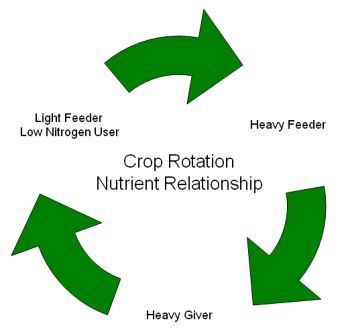 Many diseases and soilborne insects that attack plants remain in the soil even after you harvest the crop. They wait there to reinfest susceptible plants. If you plant the same crop or a closely related one in that site a disease or insect will probably attack the new planting. Prevent this needless loss by rotating your crops each year. The practice costs nothing and could save a lot.