Saturday, December 13, 2008

Preparing for the actual Perennial Planting


How to plant your perennials has a lot to do with how you acquired them, whether by mail-order, from the local nursery, or as a division from a fellow gardener.
If you purchased your plants mail-order as pots or bare roots, here’s what to do when they’re delivered to your home:
  1. Unpack immediately, and inspect the plants. As with potted ones, you want to be on the lookout for obvious problems of pests or rot. And you want to see crisp roots. You shouldn’t see any green stem or leaf growth yet, or at least not much.
  2. Hold the plants in a cool, dark place until you’re ready to plant them — perhaps for a few days or a week at the most. The refrigerator is also fine. Mist them lightly if they seem dry. If you can’t plant right away, pot them, water well, and care for them in a sheltered location.
  3. On planting day, rehydrate the roots by soaking them in a bucket of tepid water for a few hours.
Here’s how to handle plant divisions (see “Dividing perennials” for info on doing the separation):
  • Keep plant divisions moist. Don’t let them dry out! This idea is especially important if you’re not prepared to plant the divisions in your garden right away. Place them in a plastic bag or box and sprinkle on some water or temporarily pot them; water well.
  • Clean them up. Clip off or tug out weeds and limp, yellowing, or damaged foliage. Cut off flowering stalks (don’t worry, they’ll generate new ones soon enough). Right now, you just want to the divisions to devote their energy to establishing their roots in your yard.
  • Plant in a prepared area and keep an eye on them. Don’t just toss divisions on the ground and hope for the best, even if your friend characterized them as tough guys. They need time, water, and weeding to get their legs under them.

Fall planting for Perennials


Autumn turns out to be a fine time to plant many perennials in temperate climates. The soil and air are cooler now and sunlight is less intense, so the weather’s less stressful for newcomer plants. Competition from weeds isn’t likely to be a big problem, either.
In some regions, rainfall becomes more regular, too, which helps provide the moisture the perennials need to start good root growth. And their roots do grow — the plants simply aren’t programmed to start producing lots of new leaves or flowers at this time of year. Yes, the perennials will soon head into winter dormancy, but fall planting often gives these perennials a head start over their spring-planted counterparts.
When spring rolls around, you may notice the difference. The fall-planted perennials should be raring to grow, larger and more robust. You can expect a good show. All this, plus you won’t have to elbow through crowds at the garden center. You now know something that many gardeners don’t. Seize this opportunity!
Fall planting also applies to perennials you want to dig up and move to a new spot and to divisions (strong, rooted pieces of overgrown plants).
When getting ready for fall planting, make sure you do the following:
  • Buy good, strong plants. These plants have the best chance to establish themselves in your garden.
  • Mulch a little at planting time, about 1⁄2 to 1 inch, to hold in soil moisture and warmth; mulch even more as winter arrives, another 2 or 3 inches after the ground freezes, to protect the plants during the cold months.
  • Cut back the top growth, just to further urge the plant to concentrate on root growth.
Here are some things to avoid during fall planting:
  • Fertilizing: Fertilizing inspires a fresh spurt of young shoots and leaves, which are vulnerable to cold damage. You want perennials to enter their winter dormancy.
  • Plant late-bloomers: Late bloomers (like asters, mums, black-eyed Susan, and perennial ornamental grasses) are better planted in spring.
Make doubly sure, before you find out the hard way, which plants relish fall planting and which do not. You can always double check at wherever you buy perennials in the fall. Reputable nurseries don’t sell plants that resent being planted this time of year. Some fall-planting favorites are daylilies, peonies, oriental poppies, and rhizomatous iris.

Saturday, November 29, 2008

Spring planting for perennials


Springtime is the preferred time to plant perennials for good reason. All the conditions these plants relish and respond to are in place: warming soil, warm sunshine, longer days, moist ground, and regular rainfall. Roots quest into the ground, taking up water and nutrients to fuel growth, and top growth — foliage, stems, and flowers — surges forth.
When getting ready for spring planting, make sure you do the following:
  1. Harden the plants off. Just like you wouldn’t plunk a new goldfish into its tank without letting it adjust to the temperature, you don’t want to give your perennials an environmental shock. Let new plants adjust to life outdoors for a few days or a week by sitting them in a sheltered spot, such as on the porch or against the semi-shady side of the house. Start the plants off for just a few hours, and increase the time until they’re outdoors 24/7. (But bring perennials indoors or cover them if there’s a threat of a late frost.) Cover them with single layer of newspaper to reduce the light intensity and wind exposure.
  2. Choose a cool, cloudy, or damp day to plant, or plant in late afternoon. The hottest part of the day (midday to early afternoon) is a bit stressful to both you and the plants!
  3. Plant in good soil, create a basin of soil or mulch around each plant, and give a good, soaking watering. Check that the water drains in where you want it.
  4. Mulch after planting. Not only does this step hold in soil moisture and moderate the effects of fickle, fluctuating spring temperatures, but it also keeps weeds at bay (they love to grow this time of year, too).
Here are some things perennials find very unpleasant. During spring planting, do not
  • Handle the plants roughly.
  • Plunk a root-bound plant into the ground. Either tease apart the roots a bit or lightly score the sides with a sharp knife, which inspires new root growth. Then you may place the perennial in its planting hole.
  • Plant perennials in waterlogged ground, or drench them right after planting. A moderate dose of water is a needed drink; too much water prohibits oxygen from getting to the roots, and the plants literally drown or rot.

Deciding when to plant perennials


Perennials tend to be rather tough and forgiving plants in terms of picking the right time to plant them, but generally, most people plant perennials in either the spring or the fall.
Perhaps the best way to know when to plant perennials is to know when not
to plant them. For example, avoid planting perennials in stressful conditions,
or you will, as the saying goes, reap what you sow. No-no times include
  • Any blazing hot day
  • Any time of drought
  • Any time when frost is predicted
  • Any time when the ground is soggy or still frozen
  • Right after a deluging storm or flood Read on for some seasonal planting advice.

Planting Perennials on Clay soil: Soggy soil at its worst


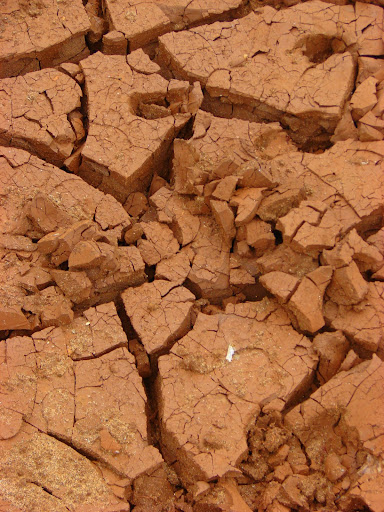
If your yard has clay soil, you already know it. Slick and soggy in wet weather and nearly impenetrable in dry, clay soil is actually composed of lots of densely packed, very tiny particles. Clay leaves little space for air and water to circulate, and the result is heavy ground that drains poorly. Needless to say, many perennials — or rather, their roots — have a hard go of it in such conditions (and so does your shovel or trowel, for that matter). Clay soil does have some advantages, believe it or not. It’s often fairly fertile because it holds nutrients and water so well. And of course, it’s slower to dry out in hot weather, which can help your plants.
At any rate, if clay is your lot in life, you have three options:
  • Improve the soil’s structure. Add organic matter. Doing so can help lighten and aerate the area, making it more hospitable to perennials and other plants and allowing water to drain away better. Dig organic matter in often and deeply — compost and/or well-rotted manure are up to the job.
  • Go with what you have. Plant clay-tolerant perennials, such as beebalm, cardinal flower, chrysogonum, epimedium, many ferns, galax, gunnera, Japanese iris, Japanese primrose, marsh marigold, or myosotis.
  • Bypass it. Grow your perennials in raised beds or pots.

Planting perennial on wet soil


Soggy, boggy ground is usually written off as a lost area or liability. But what if that damp side yard, wet back forty, or perpetually muddy roadside ditch were to come alive with handsome leaves and blooming color? It’s certainly possible. A host of plants actually like wet feet; a little research can point you to the ones that are a match for your problem-spot’s conditions. You may have to wade in prior to planting and get the spot ready. Bring your rubber boots and create a hospitable open area with gusto and determination! Yank out most or all the existing vegetation so it doesn’t compete with the desirable incoming perennials. If warranted and practical, dig a drainage trench to route excess water away from the spot. Perhaps dig in some organic matter to improve soil fertility and drainage, if only a little.

After you’ve planted the area with appropriate moisture-loving perennials, not much more should be required. The plants’ basic need — water — is already present. If the plants are happy, they’ll increase over time, reducing the need for weeding or indeed, any intervention on your part. If they grow too lushly, why, you can rip out and discard or give away the extra plants. Cardinal flower, daylilies, forget-me-not, Japanese primrose, marsh marigold, and turtlehead are good plants for wet soil. Don’t apologize for the wet soil:
Go ahead, call it a bog garden! And if you’re ambitious, make the boggy area the entry to a new water garden

Planting perennials on dry soil


If sandy, gritty, or fast-draining soil is your lot, a fabulous perennial garden is still possible. Save yourself a lot of blood, sweat, and tears by working with what you have. Sure, digging in some organic matter at planting time (and on an annual basis) is good advice that you should follow when you can, but your gardening life can be a lot easier if you go native. You don’t have to pour on water you don’t have, and you may be delighted with the easy maintenance and attractive look.
That’s right: Go native. Perennials native to dry ground are your best bet. Before you protest that they aren’t attractive or are probably weeds, take a fresh look. Peruse the offerings at a local nursery that specializes in indigenous plants. Visit a public garden or botanic garden with displays of natives. Your eyes will be opened. Botanists and horticulturists feel your pain and have been working hard over the years to find out which ones adapt best to gardens and which ones are prettiest. There are even selections or cultivated varieties (cultivars) that are significant improvements over their wild parents — new flower colors and bigger, longer-lasting flowers on more-compact, handsome plants. Favorite dry-soil perennials include black-eyed Susan, blanket flower, baptisia, butterflyweed, evening primrose, gaura, penstemon, phormium (a tender perennial in most regions), and yarrow. And don’t overlook cacti and succulents — a well-stocked local or mail-order nursery can convince of their astounding range and beauty.